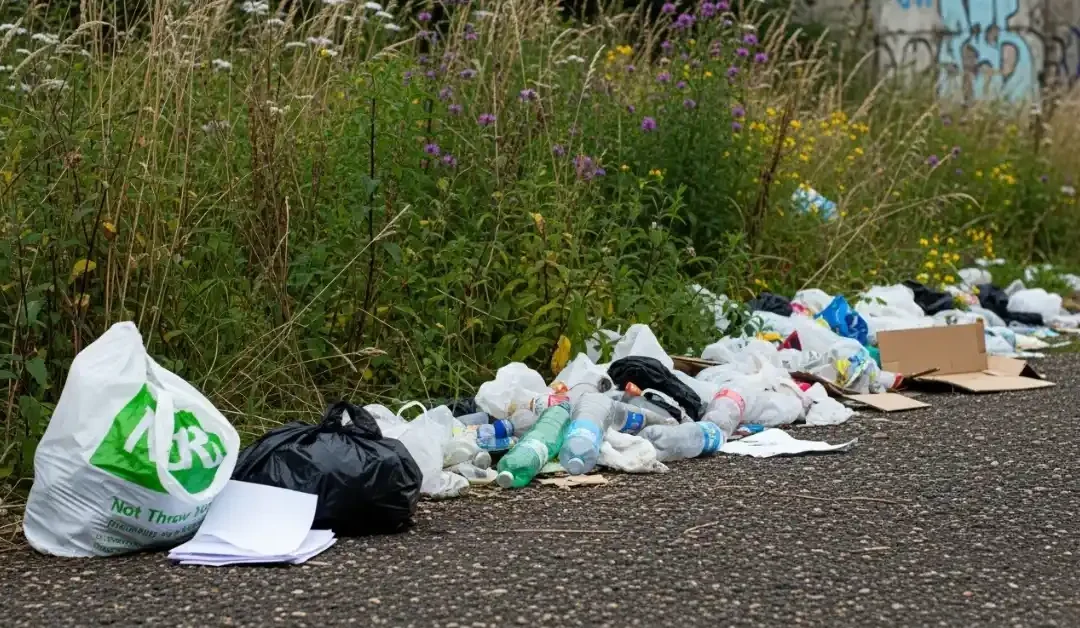
Littering might seem like a small thing in the moment, but across a suburb, a city, or even a whole region, it adds up fast.
In places like Brisbane, where outdoor living is a big part of everyday life, rubbish left on the ground doesn’t just look bad. It creates real problems for the environment, local wildlife, and the community as a whole.
Here’s why it matters more than most people think.
1. The Environmental Damage Adds Up Quickly
When rubbish is left on the ground, it doesn’t just sit there.
Rain, wind, and stormwater systems carry waste into drains, creeks, and eventually rivers and the ocean. Plastics break down into smaller pieces, chemicals seep into the soil, and natural areas slowly degrade.
Even something as simple as a takeaway container or plastic bag can end up affecting waterways well beyond where it was dropped.
2. It Puts Local Wildlife at Risk
A lot of animals don’t know the difference between food and rubbish.
Birds, possums, and marine life often ingest plastics or become trapped in packaging. Rings from bottles, bags, and containers can easily cause injury or death.
In areas around Brisbane, especially near parks, bushland, and waterways, litter becomes a direct threat to native wildlife.
3. Public Health Concerns
Littering can spread diseases:
- Food scraps attract pests like rats, flies, and cockroaches.
- Medical or chemical waste can pose risks to humans.
- Contaminated surfaces increase the chance of infections and injuries.
Keeping areas free of rubbish helps maintain safe, clean communities.
4. Rubbish Attracts Pests and Creates Health Issues:
Once rubbish builds up, it becomes a magnet for:
- Rats
- Flies
- Cockroaches
Food waste in particular creates the perfect breeding ground for pests. Over time, this increases the risk of contamination, unpleasant smells, and potential health hazards for nearby homes and businesses.
Keeping areas clean isn’t just about appearance… it’s about maintaining a safe environment.
5. Economic and Social Costs
Littering impacts the economy:
- Council clean-up operations cost millions annually.
- Tourism suffers when public spaces are dirty.
- Property values decline in littered areas.
Communities benefit when residents take responsibility for their waste.
6. You Can Actually Get Fined for It
A lot of people don’t realise how strict littering laws are.
In Queensland, fines can easily run into hundreds of dollars for individuals, and even higher for businesses. Councils actively monitor and enforce this, especially in busy public areas.
So what seems like a quick shortcut can end up being an expensive mistake.
For safe and efficient rubbish removal, check out professional services like shayes rubbish removals for household, garden, and commercial waste.
7. It Impacts the Whole Community
Litter doesn’t just affect one person.
It affects:
- Local streets and parks
- Property presentation
- Tourism and public spaces
- Council resources (which cost money to maintain)
When areas are clean, people take more pride in where they live. When they’re not… it tends to go the other way.
Better Ways to Handle Your Rubbish
Avoiding littering is simple when you’ve got the right approach:
- Use public bins or take rubbish home with you
- Separate recycling where possible
- Dispose of green waste properly
- Book a rubbish removal service for larger items
For bigger clean-ups, old furniture, or garden waste, it’s often easier (and faster) to get professionals to handle it properly.
For reliable, affordable, and responsible rubbish removal, visit:
shayes rubbish removals