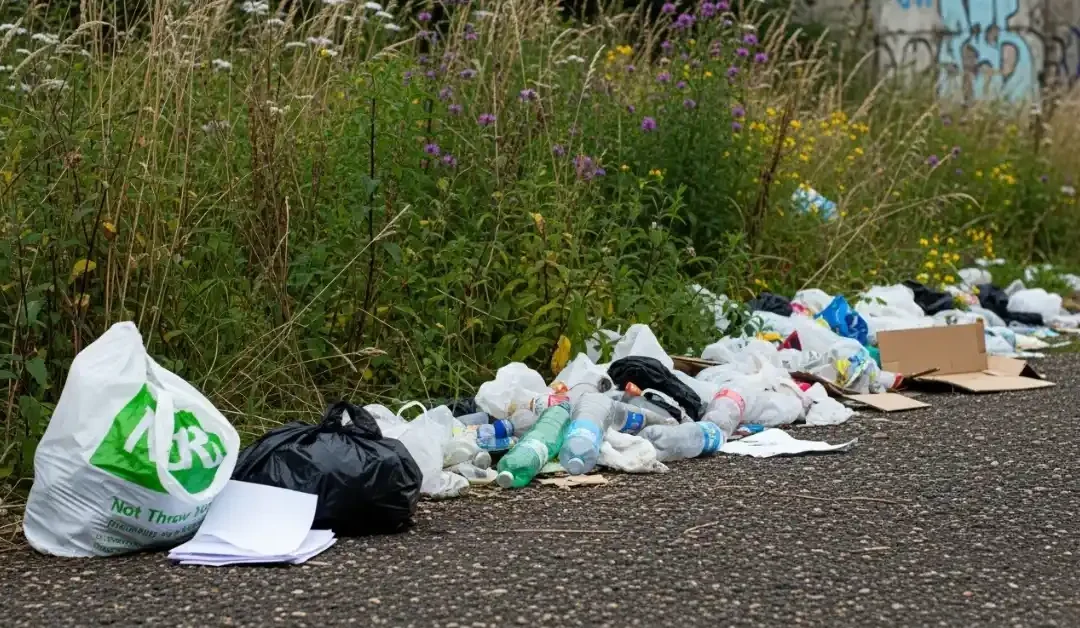
Littering is more than just an eyesore — it affects the environment, public health, wildlife, and even local economies. Despite widespread awareness campaigns, many people still discard rubbish on the ground. Understanding why littering is harmful can help communities, individuals, and businesses adopt better waste management habits.
1. Environmental Impact of Littering
Throwing rubbish on the ground directly harms the environment:
- Pollution: Plastics, metals, and chemicals can leach into soil and waterways.
- Soil contamination: Hazardous materials disrupt natural soil nutrients.
- Waterway damage: Rubbish can enter rivers, streams, and oceans, affecting marine life.
Every item of rubbish that isn’t properly disposed of contributes to long-term environmental degradation.
2. Threat to Wildlife
Animals often mistake litter for food. Common impacts include:
- Birds ingesting plastic pieces, leading to death or injury.
- Small mammals trapped in discarded containers.
- Fish and marine animals getting entangled in nets, rings, or plastic bags.
Proper disposal protects native species and preserves biodiversity.
3. Public Health Concerns
Littering can spread diseases:
- Food scraps attract pests like rats, flies, and cockroaches.
- Medical or chemical waste can pose risks to humans.
- Contaminated surfaces increase the chance of infections and injuries.
Keeping areas free of rubbish helps maintain safe, clean communities.
4. Legal Consequences
In Australia, littering is illegal and punishable by fines:
- Queensland: $400+ fines for individuals, higher for businesses.
- New South Wales: Penalties up to $2,200 for severe offences.
Local councils actively enforce anti-litter laws, so disposing of rubbish correctly avoids costly fines.
5. Economic and Social Costs
Littering impacts the economy:
- Council clean-up operations cost millions annually.
- Tourism suffers when public spaces are dirty.
- Property values decline in littered areas.
Communities benefit when residents take responsibility for their waste.
6. How to Properly Dispose of Rubbish
- Use bins and recycling stations: Separate waste into general, recycling, and organics.
- Bulk rubbish removal: Hire professional services for large items or garden waste.
- Community clean-up programs: Participate in events to keep streets and parks clean.
- Composting: Organic waste can be composted instead of thrown on the ground.
For safe and efficient rubbish removal, check out professional services like shayes rubbish removals for household, garden, and commercial waste.
7. Small Steps Make a Big Difference
Even minor actions help:
- Always carry a small bag for litter during outdoor activities.
- Educate friends and family about the effects of littering.
- Support local policies aimed at reducing waste.
Over time, these habits contribute to cleaner, safer, and healthier communities.
Conclusion
Throwing rubbish on the ground may seem harmless, but the effects are wide-reaching — from environmental damage and wildlife threats to public health risks and legal consequences.
By disposing of waste properly, participating in clean-ups, and hiring professional rubbish removal services when needed, you protect the planet and improve your community.
For reliable, affordable, and responsible rubbish removal, visit:
👉 shayes rubbish removals